

Ethical AI Customer Service: Building Trust Through Responsible Technology
Key Takeaways
Ethical AI customer service requires transparency, fairness, privacy protection, and human oversight to build customer trust
Implementing bias detection and diverse training data is essential to prevent discrimination in AI-powered support systems
Clear disclosure when customers interact with AI chatbots is both legally required in many jurisdictions and builds trust
Regular auditing and continuous monitoring of AI systems helps identify and correct ethical issues before they impact customers
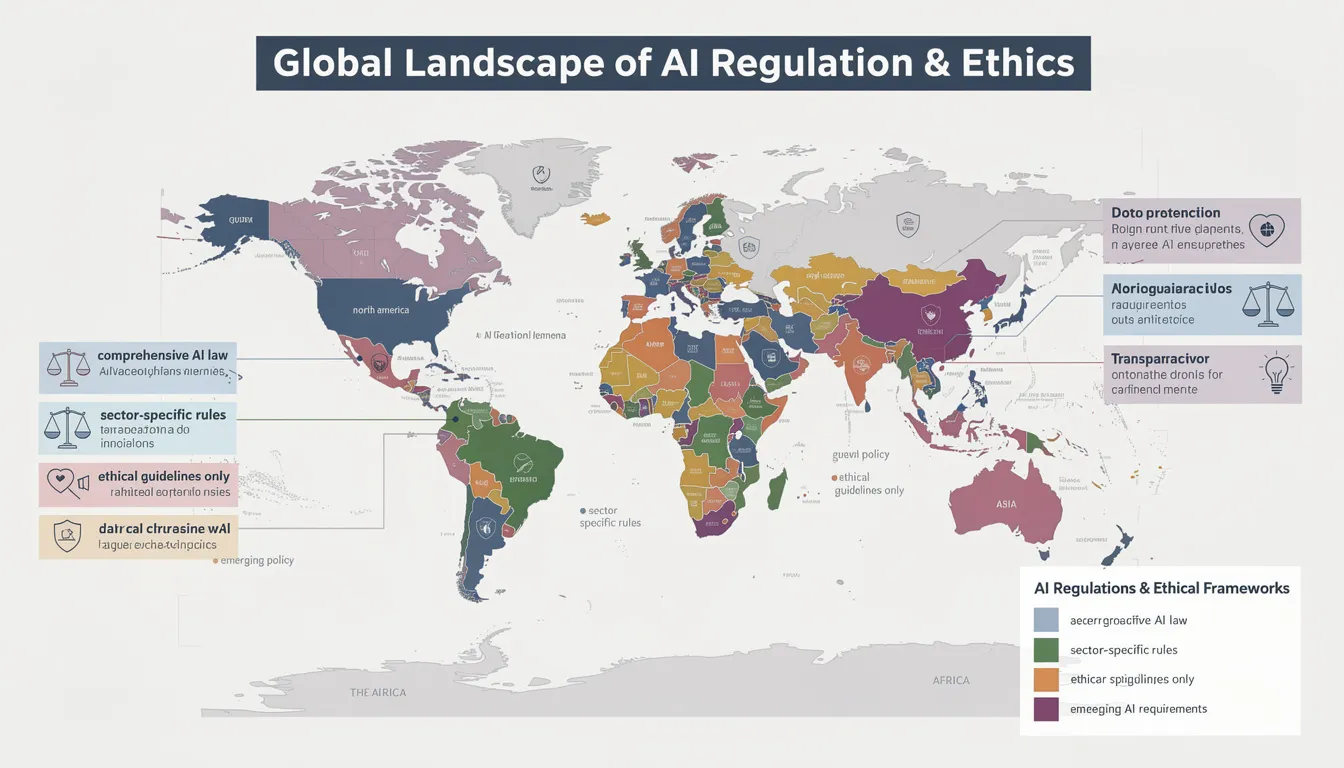
Ethical AI frameworks like the EU AI Act and NIST AI Risk Management Framework provide guidance for responsible implementation
Nearly a decade into the artificial intelligence revolution in customer service, businesses face a critical challenge that extends far beyond technical implementation. While ai systems have transformed customer interactions through faster responses and 24/7 availability, they’ve also introduced complex ethical considerations that can make or break customer trust.
The stakes couldn’t be higher. Customers increasingly expect not just efficiency from AI-powered support, but fairness, transparency, and respect for their privacy. When ai algorithms make biased decisions or customer data gets mishandled, the consequences ripple through brand reputation, customer satisfaction, and even legal compliance. Companies that treat ethics as an afterthought risk devastating their loyal customer base in an era where ethical concerns about ai technologies spread faster than positive reviews.
This comprehensive guide explores how to build ethical AI customer service systems that enhance both customer experience and business operations while navigating the complex landscape of ai ethics, regulatory requirements, and practical implementation challenges.
What is Ethical AI Customer Service?
Ethical AI customer service represents a fundamental shift from viewing artificial intelligence as merely a technical tool to understanding it as a system that must embody moral principles and human values. Unlike traditional software that operates with predictable outcomes, ai systems learn and adapt in ways that can significantly impact customer welfare, making ethical considerations essential rather than optional.
At its core, ethical AI in customer service means designing and deploying ai technologies that prioritize customer well-being, fairness, and transparency above pure efficiency gains. This approach recognizes that customer service interactions involve vulnerable moments where people seek help, make important decisions, or share sensitive information. The power dynamics inherent in these interactions demand that ai systems operate with the highest ethical standards.
The difference between standard AI implementation and ethical approaches becomes clear in practice. A standard AI customer service system might optimize for call resolution speed, potentially rushing customers through interactions or providing superficial responses. An ethical AI system balances efficiency with genuine problem-solving, ensuring that speed never comes at the expense of customer satisfaction or fair treatment across all demographic groups. To reduce bias and ensure cultural accuracy, ethical AI systems must accurately represent the real-world diversity of customers. Including diverse groups in the development and testing of AI customer service systems is essential to promote fairness and inclusivity.
This distinction matters because customer service AI directly affects human experiences in ways that other AI applications might not. When ai bias leads to discriminatory treatment in hiring algorithms, the impact affects individuals. When bias appears in customer service, it damages relationships with existing customers, violates their trust, and can systematically exclude entire communities from receiving equal support.
The connection between customer trust and business reputation makes ethical AI a strategic imperative. Companies that demonstrate commitment to responsible ai development build stronger relationships, enhance brand reputation, and create sustainable competitive advantages. Conversely, organizations where ai systems behave unfairly or violate privacy face immediate reputational damage that can take years to rebuild.
Fundamental Principles of Ethical AI Customer Service
Successful ethical AI customer service rests on six foundational principles that guide both system design and operational practices. These principles work together to create a framework that protects customers while enabling ai technologies to deliver genuine value.
Transparency and Explainability forms the bedrock of ethical AI customer service. Customers deserve to understand when they’re interacting with AI rather than humans, and they should comprehend how ai decision making processes affect their experience. This principle operates on multiple levels: clear disclosure of AI use, understandable explanations of how recommendations are generated, and accessible documentation of ai algorithms that affect customer interactions.
Transparency extends beyond simple disclosure. When AI recommends products, suggests solutions, or makes decisions about service levels, customers benefit from understanding the reasoning. This doesn’t require exposing proprietary algorithms, but rather providing meaningful explanations that help customers make informed decisions about accepting AI recommendations.
Fairness and Non-Discrimination ensures that ai systems treat all customers equitably regardless of race, gender, age, socioeconomic status, geographic location, or other protected characteristics. Organizations must address fairness by implementing strategies to mitigate bias and promote equitable outcomes in AI customer service. This principle requires active effort to identify and eliminate ai bias that could lead to systematic discrimination in service quality, response times, or available options. Building diverse teams is crucial for identifying and mitigating biases in AI systems, as varied perspectives help uncover prejudices that homogeneous teams might miss. Eliminating bias is a core objective of ethical AI customer service, requiring ongoing efforts throughout the AI lifecycle.
Achieving fairness demands more than good intentions. It requires diverse data sets for training ai models, regular testing for biased outcomes, and continuous monitoring of how different customer groups experience AI interactions. When ai algorithms show preference for certain demographics or systematically provide inferior service to specific groups, these patterns must be identified and corrected immediately.
Privacy Protection and Responsible Data Handling addresses the reality that effective AI customer service requires customer data while respecting individual privacy rights. This principle encompasses data collection minimization, secure storage practices, clear consent processes, and transparent communication about how customer data enables better service.
Privacy protection in AI customer service goes beyond compliance with regulations like GDPR or CCPA. It involves designing systems that collect only necessary data, implement strong security measures, and give customers meaningful control over their information. When ai systems process personal data to personalize interactions, customers should understand and consent to these practices.
Human Dignity and Meaningful Control recognizes that despite AI capabilities, human judgment remains essential for complex, sensitive, or high-stakes customer interactions. This principle ensures that customers can always escalate to human agents when AI cannot adequately address their needs, and that human oversight remains integral to ai decision making processes.
Maintaining human dignity means designing ai tools as augmentation for customer service agents rather than replacements. The most effective ethical AI systems enhance human capabilities while preserving the empathy, creativity, and contextual understanding that only people can provide.
Accountability and Clear Responsibility establishes that organizations remain fully responsible for ai system outcomes, even when algorithms operate autonomously. This principle requires clear ownership structures, audit trails for ai decisions, and processes for addressing problems when they arise.
Accountability cannot be delegated to algorithms or technology vendors. When ai systems make mistakes, provide biased recommendations, or fail to serve customers appropriately, the implementing organization must take responsibility and make corrections. This includes having processes for investigating complaints, correcting systematic issues, and preventing similar problems.
Beneficence and Customer-Centric Design ensures that ai systems genuinely serve customer interests rather than merely optimizing business metrics. This principle guides ai development toward solutions that create mutual value, helping customers achieve their goals while building sustainable business relationships.
Beneficence means resisting the temptation to use ai technologies for manipulative purposes, even when such approaches might increase short-term profits. Instead, ethical AI customer service focuses on building long-term trust through genuinely helpful, honest, and customer-focused interactions.
Common Ethical Challenges in AI Customer Service
Despite best intentions, organizations implementing AI customer service face predictable ethical challenges that can undermine trust and create significant business risks. Understanding these common pitfalls enables proactive prevention and more effective responses when issues arise.
Algorithmic bias represents perhaps the most pervasive challenge, often appearing in subtle ways that escape initial detection. Training data frequently reflects historical patterns of discrimination, leading ai models to perpetuate or amplify existing biases. The biases present in data, algorithms, and human decisions can result in unfair or discriminatory outcomes in customer service, affecting how different customer groups are treated. When customer service AI learns from past interactions, it may reproduce patterns where certain customer groups received inferior service, creating systematic discrimination that appears neutral on the surface. It is crucial for organizations and developers to evaluate AI outputs against their own biases to ensure fairness and uphold ethical standards.
Privacy violations occur when organizations over-collect customer data or use information in ways that exceed customer expectations or consent. The power of modern ai technologies to extract insights from seemingly innocuous data can lead to privacy breaches even when original data collection appeared harmless. Cross-border data transfers, data sharing with third parties, and indefinite data retention create additional privacy risks.
Lack of transparency emerges when customers cannot understand how AI systems make decisions that affect their experience. This challenge intensifies with sophisticated machine learning models that operate as “black boxes,” making accurate, useful recommendations through processes that resist human interpretation. Without transparency, customers cannot meaningfully consent to AI use or challenge unfair outcomes.
Over-reliance on AI leads to loss of human empathy and understanding in customer interactions. When organizations reduce human oversight or eliminate human escalation options, they risk creating frustrating experiences for customers whose needs don’t fit algorithmic templates. Complex problems, emotional situations, and unusual circumstances often require human judgment that current AI technologies cannot replace.
Manipulation through persuasive AI designed to influence customer behavior raises ethical concerns about respecting customer autonomy. When ai algorithms become sophisticated enough to predict and influence customer decisions, organizations face temptations to prioritize business interests over customer welfare through subtle psychological manipulation.
The Impact of AI Bias on Customer Experience
Ai bias in customer service creates cascading effects that damage both individual customer relationships and broader business performance. When training data reflects historical discrimination patterns, ai systems learn to treat customers differently based on protected characteristics, often in ways that appear neutral but create systematically unfair outcomes.
Consider how biased data might affect ai customer service in financial services. If historical data shows that customers from certain zip codes received less thorough support, ai models trained on this data may learn to provide shorter, less helpful responses to customers from those areas. The ai system appears to treat all customers equally by following learned patterns, but actually perpetuates geographic discrimination.
Recent cases from 2023-2024 illustrate the real-world consequences of biased AI in customer service. Major telecommunications companies have faced investigations for AI systems that systematically routed customers with certain accents or speech patterns to lower-quality support channels. Healthcare AI chatbots have provided different quality information based on patient names that suggested certain ethnic backgrounds. These incidents resulted in regulatory fines, class-action lawsuits, and significant reputation damage.
The financial consequences of biased AI extend beyond immediate legal costs. Companies experiencing bias incidents face customer churn, negative publicity, and long-term trust deficits that affect business operations for years. Research shows that customers who experience discriminatory treatment from AI systems are significantly less likely to recommend the company or continue using services, even after problems are corrected.
Legal implications under emerging AI regulation add another layer of risk. The EU AI Act, effective August 2024, classifies customer service AI systems that significantly affect customer access to services as high-risk applications requiring extensive bias testing, documentation, and monitoring. Organizations that fail to prevent ai bias face substantial penalties and potential restrictions on AI use.
Privacy Risks in AI-Powered Customer Support and Customer Data
AI customer support systems create unique privacy risks because they process personal information in real-time conversations where customers may not fully understand how their data is being used. Unlike static data collection forms, conversational AI can extract sensitive information from natural language interactions, creating privacy exposures that customers don’t anticipate.
Customer data collection in AI chatbots and voice assistants often exceeds what’s necessary for immediate problem resolution. Modern ai technologies can infer personal characteristics, emotional states, and behavioral patterns from conversation patterns, speech analysis, and response timing. This capability creates privacy risks when organizations collect or store more personal information than customers realize they’re sharing.
Cross-border data transfer issues become complex when global AI customer service platforms process data from customers in multiple jurisdictions with different privacy laws. European customers interacting with AI systems hosted in the United States may unknowingly subject their data to different privacy protections than they expect. Similarly, US customers may not realize their data is being processed by AI systems located in countries with weaker privacy laws.
Compliance requirements under GDPR, CCPA, and other privacy laws create specific obligations for AI customer service systems. GDPR Article 22 gives customers rights regarding automated decision-making, including the right to explanation and human review of AI decisions that significantly affect them. California’s CCPA grants customers rights to know what personal information AI systems collect and how it’s used, even in conversational interactions.
Customer rights regarding AI-processed personal data extend beyond traditional privacy protections. Customers have rights to understand how AI systems make decisions about their support experience, to request human review of AI decisions, and to opt out of automated processing in many situations. Organizations must build these rights into their AI customer service systems rather than treating them as compliance afterthoughts.
Building Ethical AI Customer Service Systems
Creating truly ethical AI customer service requires systematic approaches that embed ethical considerations into every stage of system design, development, and deployment. This process begins with establishing organizational governance structures and extends through technical implementation, staff training, and ongoing monitoring.
Establishing an AI ethics committee creates the organizational foundation for ethical AI customer service. This committee should include representatives from customer service, legal, technology, and executive leadership, ensuring that ethical considerations receive attention at both strategic and operational levels. Business leaders play a crucial role in guiding ethical AI adoption and decision-making in customer service strategies, influencing transparency, ethical considerations, and strategic implementation. The committee’s responsibilities include developing ethical guidelines specific to customer service applications, reviewing AI projects for ethical implications, and investigating ethical concerns when they arise.
The ethics committee should have real authority to pause or modify AI projects that raise ethical concerns, not merely advisory functions. This means giving the committee sufficient resources, clear escalation paths to executive leadership, and protection for committee members who raise difficult ethical questions about profitable AI applications.
Creating ethical AI guidelines specific to customer service operations translates high-level ethical principles into concrete operational requirements. These guidelines should address data collection and use limitations, bias prevention and detection requirements, transparency and disclosure standards, and human oversight requirements. The guidelines must be specific enough to guide daily decisions while flexible enough to accommodate evolving technology and business needs. It is important to gather input from diverse stakeholders, including customers and frontline staff, to inform the development of fair and inclusive AI systems.
Effective guidelines include specific scenarios and decision trees that help staff navigate ethical dilemmas in real-time. For example, guidelines might specify that when AI cannot confidently resolve a customer issue, human escalation is required rather than allowing the AI to make its best guess. They should also define prohibited uses of customer data and establish clear consent requirements for different types of AI processing.
Implementing bias testing and fairness metrics throughout the ai development lifecycle prevents discriminatory outcomes rather than trying to fix them after deployment. This process starts with auditing training data for demographic representation and historical bias patterns, continues through algorithm development with regular fairness testing, and extends into production with ongoing monitoring for biased outcomes. Data labeling is a crucial stage in the AI development process where human decision bias can be introduced, affecting the fairness and reliability of AI systems. Organizations must also actively work to prevent bias in AI systems through regular audits and monitoring.
Bias testing requires both technical expertise and domain knowledge about customer service contexts. Organizations need to test not just whether AI systems produce different outcomes for different demographic groups, but whether those differences reflect genuine business needs or unjustified discrimination. This nuanced analysis requires collaboration between data scientists, customer service experts, and legal professionals.
Designing inclusive training datasets that represent diverse customer populations addresses ai bias at its source. This means actively seeking data that includes customers of different ages, genders, ethnicities, socioeconomic backgrounds, and geographic locations. It also requires understanding how existing data might reflect historical discrimination and taking steps to correct those biases. It is essential to train ai models with data that reflects the diversity of the customer base to reduce bias and improve fairness.
Creating inclusive datasets goes beyond demographic diversity to include diversity of customer problems, communication styles, and interaction contexts. AI systems trained only on “ideal” customer interactions may fail when customers are frustrated, confused, or experiencing unusual problems. Training data should reflect the full spectrum of real customer service scenarios.
Building transparency features that explain AI decisions to customers requires careful balance between technical accuracy and customer understanding. Most customers don’t need to understand machine learning algorithms, but they do benefit from knowing why AI made specific recommendations or why certain options are available to them.
Effective transparency features use natural language to explain AI reasoning in terms that customers can understand and evaluate. For example, instead of displaying algorithmic confidence scores, the system might explain “Based on your account history and the problem you’ve described, I’m recommending these three solutions that have worked well for similar situations.”
Designing Bias-Free AI Customer Service
Creating ai customer service systems free from bias requires comprehensive strategies that address potential discrimination at every stage of development and deployment. The process begins with data collection strategies designed to ensure demographic representation across all customer segments that the AI system will serve.
Effective data collection for bias-free AI goes beyond simple demographic balance to ensure representation across multiple intersecting characteristics. A truly representative dataset includes customers who vary not just by race and gender, but by age, income level, education, geographic location, technical sophistication, and communication preferences. This intersectional approach recognizes that bias often appears at the intersection of multiple characteristics rather than in simple demographic categories.
Organizations must also consider temporal diversity in their datasets, ensuring that training data reflects how customer needs and communication patterns evolve over time. AI systems trained only on recent data may not serve long-term customers appropriately, while systems trained only on historical data may fail to address current events and changing customer expectations.
Testing methodologies for identifying bias in AI customer service responses require both automated analysis and human evaluation. Automated testing can identify statistical patterns where AI systems provide different service quality to different demographic groups, but human evaluation is necessary to assess whether these differences constitute unfair discrimination or reflect legitimate business needs.
Comprehensive bias testing includes analyzing response quality, response time, escalation patterns, and customer satisfaction scores across demographic groups. The testing should also evaluate whether AI systems maintain consistent helpfulness when customers use different communication styles, express frustration, or deviate from expected interaction patterns.
Techniques for debiasing training data and algorithms include both preprocessing approaches that clean biased data and algorithmic approaches that compensate for bias during model training. Preprocessing techniques might involve removing biased examples, augmenting underrepresented groups, or applying fairness constraints during data preparation.
Algorithmic debiasing techniques include fairness-aware machine learning algorithms that explicitly optimize for equitable outcomes across demographic groups. Tools like IBM Watson OpenScale and Google’s What-If Tool provide platforms for implementing and testing these debiasing techniques, making bias prevention more accessible to organizations without extensive machine learning expertise.
Continuous monitoring systems for detecting emerging bias in live AI systems create feedback loops that identify discriminatory patterns before they cause significant harm. These systems track key fairness metrics in real-time, alerting administrators when bias indicators exceed acceptable thresholds.
Effective monitoring systems track both quantitative metrics like demographic parity in service outcomes and qualitative indicators like customer complaints about unfair treatment. They also monitor for emerging bias that might appear as customer demographics shift, new types of problems arise, or external events create new contexts for customer interactions.
Ensuring Transparency and Customer Understanding
Legal requirements for AI disclosure create baseline standards that ethical organizations should exceed rather than merely meet. California’s B.O.T. Law, effective since 2019, requires businesses to disclose when customers are interacting with automated systems rather than human agents. The EU AI Act establishes more comprehensive transparency requirements, mandating that high-risk AI systems provide clear information about their operation and decision-making processes.
These legal requirements represent minimum compliance standards, not best practices for customer trust. Organizations committed to ethical AI customer service should provide transparency that genuinely helps customers understand and evaluate AI interactions, even when law doesn’t require such disclosure.
Best practices for informing customers about AI interaction focus on clear, upfront disclosure that doesn’t disrupt the customer experience. Effective disclosure integrates smoothly into the interaction flow, explaining AI capabilities and limitations without creating friction or confusion. The disclosure should happen early enough for customers to make informed choices about continuing the interaction.
Transparency messaging should emphasize what the AI can and cannot do, helping customers set appropriate expectations. Rather than simply stating “You are chatting with an AI assistant,” better disclosure might explain “I’m an AI assistant that can help with account questions, billing issues, and basic troubleshooting. For complex problems or policy exceptions, I’ll connect you with a human specialist.”
Designing explainable AI interfaces that help customers understand automated decisions requires careful attention to user experience and cognitive load. Most customers want to understand AI reasoning without becoming overwhelmed by technical details. Effective interfaces provide explanations that are accurate, relevant, and actionable.
Successful explainable AI interfaces use progressive disclosure, providing simple explanations initially with options to access more detailed information for customers who want it. They focus on factors that customers can understand and potentially influence, rather than abstract algorithmic processes that provide little actionable insight.
Creating clear escalation paths to human agents acknowledges that AI has limitations and ensures that customers can access human support when needed. These escalation paths should be easily accessible, clearly explained, and genuinely helpful rather than designed to discourage customer use.
Effective escalation systems recognize that some customers prefer human interaction regardless of AI capabilities, while others may need human support for complex or sensitive issues that exceed AI abilities. The escalation process should preserve context from the AI interaction, ensuring that customers don’t need to repeat information when transferring to human agents.
Regulatory Compliance and Legal Considerations
The regulatory landscape for AI customer service continues evolving rapidly, creating both compliance requirements and competitive opportunities for organizations that proactively address regulatory expectations. Understanding current regulations and anticipating future requirements enables organizations to build AI systems that remain compliant as laws develop.
The EU AI Act represents the most comprehensive regulatory framework for ai technologies, establishing a risk-based classification system that directly affects AI customer service applications. Under this framework, AI systems that significantly affect access to essential services or that make decisions affecting customer welfare are classified as high-risk applications requiring extensive documentation, testing, and monitoring.
For AI customer service systems, the classification depends on the significance of decisions the AI makes and the potential impact on customer welfare. Simple chatbots that provide information and escalate complex issues may qualify as minimal risk applications with limited regulatory requirements. However, AI systems that make decisions about service levels, billing disputes, or access to services likely qualify as high-risk, requiring comprehensive bias testing, audit trails, and human oversight systems.
GDPR Article 22 establishes specific rights regarding automated decision-making that affect many AI customer service applications. This regulation gives customers rights to receive explanation of automated decisions that significantly affect them, to request human review of such decisions, and in some cases to object to automated processing entirely.
The practical implications for AI customer service include requirements to identify when automated decisions significantly affect customers, provide meaningful explanations of decision logic, and maintain human review processes for customer requests. Organizations must build these rights into their ai systems rather than treating them as optional customer service features.
FTC guidelines on AI and algorithms in customer-facing applications, updated in 2023, emphasize truth in advertising principles applied to AI capabilities and outcomes. The FTC expects organizations to avoid overstating AI capabilities, ensure that ai systems deliver promised benefits, and maintain records demonstrating compliance with advertising claims.
These guidelines create liability for organizations that market AI customer service capabilities they cannot deliver or that fail to disclose significant limitations in AI performance. Companies must ensure that marketing claims about AI capabilities align with actual system performance and customer outcomes.
State-level AI regulations in the United States create a complex patchwork of requirements that organizations must navigate. New York Local Law 144 regulates AI use in employment decisions but establishes precedents for algorithmic auditing that may influence customer service AI regulation. California SB-1001, the B.O.T. law, specifically requires disclosure of automated customer service interactions.
Additional states are developing AI regulations that may affect customer service applications, creating a need for organizations to monitor evolving state requirements and build systems that can adapt to varying regulatory frameworks. The trend suggests movement toward more prescriptive regulation that specifies both outcomes and processes.
Industry-specific requirements add another layer of regulatory complexity for AI customer service systems. Financial services face regulations like the Fair Credit Reporting Act and Equal Credit Opportunity Act that affect how AI can be used in customer-facing decisions. Healthcare organizations must comply with HIPAA requirements that affect ai processing of protected health information.
Telecommunications companies face accessibility requirements that affect AI customer service design, while insurance companies must comply with state insurance regulations that may limit algorithmic decision-making. Understanding these industry-specific requirements is essential for organizations building compliant ai customer service systems.

Tools and Frameworks for Ethical AI Customer Service
Organizations implementing ethical AI customer service benefit from established frameworks and practical tools that translate ethical principles into operational practices. These resources provide structured approaches for addressing complex ethical challenges while building systems that meet regulatory requirements and customer expectations.
The NIST AI Risk Management Framework (AI RMF 1.0), released in January 2023, provides a comprehensive approach for identifying, assessing, and mitigating risks in ai systems. For customer service applications, this framework guides organizations through systematic risk assessment processes that identify potential ethical issues before they affect customers.
The NIST framework emphasizes the importance of understanding ai system context, including how customers will interact with the technology and what outcomes matter most for customer welfare. It provides structured approaches for documenting ai system behavior, establishing monitoring systems, and creating governance processes that ensure ongoing attention to ethical considerations.
Applying the NIST framework to customer service requires adaptation to the specific challenges of customer-facing AI applications. This includes paying special attention to transparency requirements, bias prevention, and human oversight needs that may be less critical in internal AI applications but essential for customer trust.
The Partnership on AI’s framework for AI and inclusive economic growth provides guidance specifically focused on ensuring that ai technologies benefit diverse communities rather than exacerbating existing inequalities. For customer service applications, this framework emphasizes the importance of designing ai systems that serve all customer segments equitably.
This framework includes specific guidance on stakeholder engagement, helping organizations understand how different communities might experience ai customer service and what design choices promote inclusive outcomes. It also provides tools for measuring whether ai implementations achieve inclusive goals or inadvertently create barriers for certain customer groups.
IEEE Standards for Ethical Design of Autonomous and Intelligent Systems offer technical standards that translate ethical principles into engineering requirements. These standards provide specific guidance on designing ai systems that respect human autonomy, promote well-being, and operate transparently.
For customer service applications, IEEE standards help organizations establish technical requirements that support ethical outcomes. This includes standards for explainability, fairness testing, and human oversight that can be incorporated into AI development processes from the beginning rather than added as afterthoughts.
Open-source bias detection tools make ethical AI implementation more accessible to organizations without extensive machine learning expertise. Fairlearn, developed by Microsoft, provides algorithms and tools for assessing and mitigating unfairness in ai models. The platform includes metrics for measuring different types of bias and techniques for creating fairer algorithms.
IBM’s AI Fairness 360 toolkit offers comprehensive bias detection and mitigation techniques that cover the full ai lifecycle from data preparation through model deployment. The toolkit includes more than 30 fairness metrics and 10 bias mitigation algorithms, providing organizations with extensive options for addressing bias in their specific contexts.
Google’s What-If Tool provides interactive visual interfaces for exploring AI model behavior and identifying potential bias patterns. The tool allows non-technical stakeholders to understand how ai models make decisions and identify scenarios where the models might produce unfair outcomes.
Commercial ethical AI platforms provide comprehensive solutions for organizations that need enterprise-level tools for ethical ai implementation. Dataiku includes built-in fairness and explainability tools that integrate into machine learning development workflows. H2O.ai Driverless AI incorporates automatic bias detection and model explainability features that help organizations build fairer, more transparent ai systems.
SAS Model Risk Management provides governance tools specifically designed for managing ethical and regulatory risks in ai deployments. These platforms offer audit trails, approval workflows, and monitoring systems that help organizations maintain compliance with ethical standards and regulatory requirements.
Human-AI Collaboration in Ethical Customer Service
Ethical AI customer service recognizes that the most effective systems enhance human capabilities rather than replacing human judgment and empathy. This collaborative approach ensures that ai tools improve customer experiences while maintaining the human connection that customers value, especially in difficult or sensitive situations.
Designing AI systems as augmentation tools rather than replacements requires careful attention to how artificial intelligence can support customer service agents without undermining their autonomy or expertise. Effective AI augmentation provides agents with better information, suggested responses, and automated handling of routine tasks while preserving human control over important decisions.
Successful augmentation systems present AI recommendations in ways that help agents make better decisions rather than dictating specific actions. For example, AI might analyze customer sentiment and conversation history to suggest relevant solutions, but agents retain the authority to choose different approaches based on their understanding of customer needs and context.
The goal is creating synergy where ai capabilities complement human strengths rather than competing with them. AI excels at processing large amounts of data quickly, identifying patterns, and providing consistent responses to routine questions. Humans excel at understanding context, showing empathy, and making judgment calls in complex situations.
Training customer service teams on ethical AI principles and bias recognition ensures that human agents can effectively collaborate with ai tools while maintaining high ethical standards. This training should cover how ai systems work, their limitations, and how to identify when ai recommendations might be inappropriate or biased.
Effective training programs help agents understand their role in ethical ai implementation. Agents become the first line of defense against ai bias, identifying when ai systems produce recommendations that don’t match customer needs or seem systematically unfair to certain customer groups. They also serve as escalation points for customers who prefer human interaction or face problems that exceed ai capabilities.
Training should include specific scenarios that help agents recognize ethical issues in real-time and respond appropriately. For example, agents should learn to identify when ai systems consistently route certain types of customers to lower-priority queues or when ai recommendations seem based on irrelevant customer characteristics.
Creating feedback loops between human agents and ai systems enables continuous improvement in both ethical performance and customer outcomes. These feedback loops capture agent insights about ai system performance, customer reactions to AI interactions, and patterns that might indicate emerging ethical issues.
Effective feedback systems make it easy for agents to report concerns about ai behavior, suggest improvements to ai recommendations, and share insights about customer preferences regarding AI interaction. This feedback should flow back to AI development teams to inform system updates and bias prevention efforts.
The feedback process should also capture positive examples where ai tools particularly helped agents serve customers better. Understanding what works well helps organizations expand successful collaborative practices and identify best practices for human-AI teamwork.
Establishing clear escalation protocols for complex ethical situations ensures that difficult cases receive appropriate attention from human decision-makers with authority to override ai recommendations. These protocols should specify when escalation is required, who has authority to make final decisions, and how to document decisions for future learning.
Escalation protocols should cover situations where ai recommendations conflict with customer needs, where bias concerns arise, where regulatory compliance questions emerge, and where customer emotional needs exceed ai capabilities. The protocols must be clear enough for agents to follow consistently while flexible enough to address unexpected situations.
Maintaining human review of ai decisions that significantly impact customers creates accountability mechanisms that protect customer welfare while building trust in ai systems. This review process should focus on decisions with the greatest potential impact rather than attempting to review every ai interaction.
Human review systems should prioritize efficiency while ensuring thoroughness for high-impact decisions. This might involve automated flagging of decisions that meet certain criteria for human review, regular sampling of ai decisions for quality assurance, and systematic review of ai decisions that receive customer complaints.

Measuring and Monitoring Ethical AI Performance
Effective ethical AI customer service requires systematic measurement and monitoring systems that track both quantitative performance metrics and qualitative indicators of ethical behavior. These systems enable organizations to identify problems before they escalate while demonstrating continuous commitment to ethical standards.
Fairness metrics provide quantitative measures for assessing whether ai systems treat different customer groups equitably. Demographic parity measures whether ai systems provide similar outcomes across different demographic groups, while equalized odds assess whether ai systems maintain consistent accuracy rates across groups. Individual fairness measures focus on ensuring that similar customers receive similar treatment regardless of protected characteristics.
Implementing fairness metrics requires careful definition of what constitutes fair treatment in specific customer service contexts. Equal response times might represent one form of fairness, while equal problem resolution rates might represent another. Organizations must define fairness in ways that align with customer expectations and business objectives while protecting against discrimination.
Regular monitoring of fairness metrics helps identify drift in ai system behavior over time. AI models can develop new biases as they encounter different types of customers or problems, making ongoing monitoring essential for maintaining ethical performance. Automated alerts when fairness metrics exceed acceptable thresholds enable quick response to emerging issues.
Transparency metrics measure how well ai systems help customers understand automated decisions and processes. Explainability scores assess whether ai explanations actually help customers comprehend decision reasoning, while customer understanding surveys measure whether transparency efforts achieve their intended goals.
Effective transparency measurement goes beyond technical explainability to assess customer comprehension and satisfaction with ai explanations. Surveys and feedback systems should evaluate whether customers feel they understand ai decisions well enough to make informed choices about accepting recommendations or seeking human assistance.
Customer understanding metrics should also track whether transparency efforts create confusion or friction in customer interactions. The goal is providing helpful transparency that enhances customer experience rather than overwhelming customers with unnecessary technical details.
Privacy metrics track compliance with data protection requirements and customer expectations regarding personal information handling. Data minimization compliance measures whether AI systems collect only necessary information, while consent tracking ensures that customers understand and approve data usage. Breach incident rates provide indicators of overall privacy protection effectiveness.
Privacy monitoring should include regular audits of data collection practices, storage security measures, and data sharing arrangements. These audits help identify privacy risks before they result in violations or customer complaints. They should also assess whether privacy practices keep pace with evolving AI capabilities and customer expectations.
Customer trust indicators provide qualitative measures of whether ethical AI practices translate into genuine customer confidence and satisfaction. Customer satisfaction scores disaggregated by demographic groups can reveal whether ai systems serve all customer segments equally well. Complaint patterns help identify emerging ethical issues that quantitative metrics might miss.
Trust measurement should include specific questions about AI interaction quality, fairness perceptions, and comfort levels with automated decision-making. Regular surveys should track changes in customer attitudes toward ai customer service over time, identifying trends that might indicate declining trust or emerging concerns.
Retention rates and recommendation scores provide business indicators of whether ethical AI practices translate into customer loyalty. Customers who trust ai systems and receive fair treatment are more likely to continue using services and recommend them to others.
Regular audit schedules and third-party ethical AI assessments provide external validation of internal monitoring efforts while ensuring comprehensive evaluation of ethical ai performance. Annual ethics audits can provide systematic review of ai customer service systems, while periodic third-party assessments offer independent perspectives on ethical compliance.
External audits should evaluate both technical performance and organizational processes for maintaining ethical ai standards. They should assess whether governance structures effectively oversee ai ethics, whether staff training adequately addresses ethical considerations, and whether monitoring systems successfully identify ethical issues.
Third-party assessments can also provide benchmarking against industry standards and regulatory expectations, helping organizations understand how their ethical AI practices compare to emerging best practices and compliance requirements.
Future of Ethical AI Customer Service
The landscape of ethical AI customer service continues evolving rapidly as technology advances, regulations develop, and customer expectations mature. Organizations that anticipate these changes and prepare for emerging requirements will maintain competitive advantages while avoiding compliance risks.
Evolution of AI regulation promises more comprehensive and prescriptive requirements for customer service applications. The EU AI Act represents only the beginning of global regulatory development, with other jurisdictions developing similar frameworks that may create different requirements. Organizations must build ai systems that can adapt to varying regulatory frameworks while maintaining consistent ethical standards.
Future regulation will likely focus more on process requirements rather than just outcome standards. This means organizations will need to demonstrate not just that their ai systems produce fair results, but that they followed ethical development processes, maintained appropriate oversight, and implemented required safeguards.
The trend toward regulation suggests that ethical AI will transition from competitive advantage to baseline expectation. Early adopters of ethical AI practices will maintain advantages during this transition, while organizations that treat ethics as compliance afterthoughts will face increasing regulatory and competitive pressure.
Advances in explainable AI promise to make transparency more accessible and meaningful for customers. New techniques for generating natural language explanations of ai decisions will enable better customer understanding without requiring technical expertise. Visual explanation tools may help customers grasp ai reasoning through intuitive interfaces.
However, advances in AI complexity may simultaneously make explanation more challenging. As generative ai and advanced machine learning techniques become more sophisticated, maintaining explainability while preserving AI effectiveness will require ongoing innovation in transparency techniques.
Future explainability tools will likely focus more on user-specific explanations that adapt to individual customer knowledge levels and information needs rather than providing generic explanations for all users. This personalization of transparency may improve customer understanding while reducing cognitive load.
Integration of ethical AI principles into customer service ai development from the design phase represents a significant shift from current practices where ethics are often considered after technical development. Future ai development processes will embed bias testing, fairness constraints, and transparency requirements into initial system architecture rather than adding them as modifications.
This “ethics by design” approach will likely become standard practice as tools for ethical ai development improve and regulatory requirements make ethical considerations mandatory rather than optional. Organizations that develop expertise in ethical AI design will have advantages in building systems that meet evolving standards.
The integration trend suggests that future ai customer service systems will include built-in ethical guardrails, automated bias detection, and self-monitoring capabilities that reduce the manual effort required to maintain ethical standards. However, human oversight and judgment will remain essential for addressing complex ethical situations.
Role of industry standards and certification programs for ethical AI customer service will likely expand as the market matures and customer awareness increases. Industry associations may develop ethical AI certification programs that help customers identify trustworthy service providers while helping organizations demonstrate compliance with ethical standards.
Certification programs could provide competitive advantages for early adopters while eventually becoming baseline requirements for market participation. Organizations should monitor developing standards and consider pursuing certification as programs become available in their industries.
Future industry standards will likely address specific customer service scenarios and provide detailed guidance for implementing ethical AI in different business contexts. These standards may help organizations navigate complex ethical decisions while ensuring consistent approaches across the industry.
Preparing for next-generation AI technologies like GPT-4 and beyond requires understanding how advancing ai capabilities will create new ethical challenges while potentially solving existing ones. More sophisticated ai technologies may enable better bias detection and more natural transparency, but they may also create new risks related to manipulation, privacy, and human autonomy.
Organizations should develop frameworks for evaluating new ai technologies against ethical standards before implementation rather than trying to address ethical issues after deployment. This proactive approach will become increasingly important as AI capabilities advance rapidly.
The key is building organizational capabilities for ethical ai evaluation that can adapt to new technologies rather than creating solutions specific to current AI tools. This includes developing internal expertise, establishing evaluation processes, and creating partnerships with ethical ai research communities.
FAQ
How do I know if my AI customer service system is making biased decisions?
Monitor key metrics across demographic groups including response quality, resolution time, escalation rates, and customer satisfaction scores. Implement automated bias detection tools like IBM’s AI Fairness 360 or Microsoft’s Fairlearn to identify statistical disparities. Conduct regular audits of ai system outputs using diverse test scenarios, and establish customer feedback channels specifically for reporting unfair treatment. Most importantly, train your human agents to recognize and report potential bias patterns they observe in ai recommendations or customer interactions.
What are the legal requirements for disclosing AI use to customers in different countries?
Requirements vary significantly by jurisdiction. California’s B.O.T. Law requires disclosure when customers interact with chatbots instead of humans. The EU AI Act mandates clear information about ai system operation for high-risk applications. GDPR Article 22 requires disclosure of automated decision-making that significantly affects individuals. Some US states are developing similar requirements, while countries like Canada and Australia are considering ai disclosure laws. Consult with legal counsel familiar with ai regulation in your operating jurisdictions to ensure compliance.
How can small businesses implement ethical AI customer service without large budgets?
Start with open-source bias detection tools like Fairlearn and What-If Tool, which provide enterprise-level capabilities at no cost. Focus on transparent disclosure practices and clear escalation paths to human support, which require process changes rather than expensive technology. Use cloud-based ai platforms that include built-in fairness and explainability features, spreading costs over time. Partner with ai vendors that prioritize ethical features rather than building custom solutions. Most importantly, train existing staff on ethical AI principles and bias recognition, leveraging human oversight as your primary ethical safeguard.
What should I do if customers complain about unfair treatment by our AI system?
Immediately investigate specific complaints to understand whether they indicate systematic bias or isolated incidents. Document all complaints and analyze patterns that might reveal underlying discrimination. Provide human review of the contested ai decision and offer appropriate remediation for affected customers. Use complaint data to improve bias detection systems and training data. Establish clear processes for escalating bias concerns to leadership and ai development teams. Consider engaging third-party auditors if complaints suggest widespread bias issues that internal investigation cannot adequately address.
How often should we audit our Agentic AI customer service systems for ethical compliance?
Conduct comprehensive ethical audits annually or when making significant changes to ai systems, training data, or business processes. Implement continuous monitoring for key fairness and privacy metrics with automated alerts for threshold violations. Review customer complaint patterns monthly to identify emerging ethical concerns. Assess bias metrics quarterly across different demographic groups and interaction types. Update bias testing whenever you modify ai algorithms or add new data sources. The frequency should increase during initial deployment phases and when operating in highly regulated industries or jurisdictions with strict ai oversight requirements.
The Importance of AI Models in Customer Service
AI models have become foundational to modern customer service, enabling organizations to deliver around-the-clock support, streamline operations, and enhance overall customer satisfaction. As businesses increasingly rely on ai systems to handle everything from routine inquiries to complex problem-solving, the ethical implications of these technologies come sharply into focus—particularly the risk of ai bias and its impact on customer experience.
AI bias refers to the systematic discrimination that can arise when ai models produce biased outcomes, often as a result of data bias, algorithmic bias, or human bias embedded in the development process. When training data is not diverse or representative, or when existing biases are inadvertently encoded into ai algorithms, the result can be skewed outcomes that reinforce existing biases and lead to unfair treatment of certain customer groups. This not only undermines customer trust but can also result in systematic discrimination that damages brand reputation and erodes customer loyalty.
To mitigate ai bias, it is essential to address its root causes at every stage of ai development. One of the most critical steps is ensuring that training data accurately represents the full spectrum of the customer base. Biased data—whether due to historical imbalances, measurement bias, or selection bias—can cause ai systems to deliver inequitable outcomes, disadvantaging specific demographics or reinforcing harmful stereotypes. By prioritizing fairness in data collection and using diverse data sets, organizations can reduce the risk of bias in ai outputs and promote more equitable customer experiences.
Beyond data, algorithmic bias can emerge from the design and optimization of ai models themselves. Responsible ai development requires the use of fairness-aware algorithms, regular bias testing, and the integration of human oversight throughout the ai lifecycle. Techniques such as data preprocessing, debiasing, and continuous monitoring help identify and address bias before it impacts customers. Feedback loops—where customer service agents and customers can report concerns—are vital for catching issues that automated systems might miss, ensuring that ai decision making processes remain transparent and accountable.
The rise of generative ai in customer service introduces new challenges, as these models can inadvertently perpetuate existing biases or generate outputs that reflect harmful stereotypes. To mitigate bias in generative ai, organizations must implement robust debiasing techniques, use representative training data, and maintain vigilant human oversight. Regular audits, transparency measures, and the use of feedback loops help ensure that ai systems provide accurate, fair, and unbiased outcomes for all customers.
Ultimately, building customer trust in ai systems depends on a commitment to ethical ai practices. This means prioritizing transparency—so customers understand how decisions are made—explainability, so outcomes can be justified, and accountability, so issues are addressed promptly. By embedding these principles into ai development and maintaining open feedback channels, businesses can achieve fairness, reduce bias in ai, and deliver customer experiences that are both satisfying and equitable.
In summary, the importance of ai models in customer service extends far beyond technical efficiency. By proactively addressing bias in ai, leveraging diverse data sets, and upholding responsible ai standards, organizations can ensure their ai systems deliver equitable outcomes, foster customer trust, and support long-term business success.


